Ultimate Guide to HVAC System Lifespan and Replacement Timing
Is your home’s comfort system on borrowed time? Few things bring life to a halt like a furnace or AC breakdown—especially when the weather just won’t cooperate. At S.N. Heating And Air, we know how stressful it is to wonder if your heater or air conditioner will make it through another season.
You’re not alone. Homeowners and small business owners everywhere face the same dilemma: repair, or replace? Let’s pull back the curtain on HVAC system lifespan, warning signs, and what you can do to keep your system humming—no matter what the forecast throws your way.
How Long Do HVAC Systems Really Last? ⏳
Think of your HVAC system like a reliable old car. With care, it can go the distance—sometimes well past its expected years. But eventually, every part reaches its finish line.
Here’s what you can expect for typical HVAC components, according to industry standards and the U.S. Department of Energy:
- Central Air Conditioners: 12–17 years
- Furnaces (Gas or Electric): 15–20 years
- Heat Pumps: 10–15 years
- Mini-Splits: 10–16 years
- Ductwork: 20–25 years (with proper maintenance)
- Thermostats: 10 years, but smart upgrades improve efficiency
These numbers aren’t set in stone. Usage, local climate, installation quality, and routine maintenance can stretch—or shrink—your system’s lifespan. Like skipping oil changes on your car, missing annual tune-ups can cut years off your HVAC’s life.
Signs Your HVAC System Is Nearing the End
Most systems don’t quit without warning. They whisper, then shout. Here’s what to watch for:
- Frequent Repairs: If you’re calling for emergency hvac service more than once a season, it’s a red flag.
- Rising Energy Bills: Older units lose efficiency, causing bills to creep up even if your habits haven’t changed.
- Uneven Heating or Cooling: Hot or cold spots in rooms signal failing components or duct issues.
- Strange Noises: Clanking, banging, or screeching aren’t just annoying—they’re signs of trouble.
- Short Cycling: If your system turns on and off rapidly, it’s struggling to keep up.
- Poor Air Quality: More dust, humidity swings, or persistent odors can mean your system isn’t filtering or ventilating properly.
If your system is over a decade old and showing several of these symptoms, it’s time to weigh your options.
Quick Safety Checklist Before You Decide
Before you commit to a repair or replacement, run through this quick safety checklist:
- Check for gas odors or burning smells. If detected, shut off your system and call for professional help immediately.
- Test your carbon monoxide and smoke detectors. Replace batteries yearly.
- Inspect for water leaks or pooling near indoor units.
- Listen for loud, unusual noises during operation.
- Look for tripped breakers or flickering lights when the HVAC runs.
- Ensure vents and filters are free of blockages.
Safety first. If anything seems off, don’t risk it—get a pro on site.
DIY Fixes vs. Calling an HVAC Pro
Some HVAC hiccups are like a squeaky door—you can handle them yourself. Others? Not so much.
DIY Tasks:
- Change air filters every 1–3 months.
- Keep outdoor units clear of debris and leaves.
- Set thermostats correctly and replace batteries as needed.
- Gently vacuum supply and return vents.
When to Call a Pro:
- Electrical issues, burning smells, or gas leaks.
- No heat or AC during extreme weather.
- Persistent short cycling or system won’t turn on.
- Loud, metallic, or grinding noises.
- Water leaks from the furnace or AC.
Remember: HVAC systems involve electricity, gas, and refrigerants. For most repairs, calling a certified technician keeps you safe and your warranty intact.
What Pros Do When They Arrive
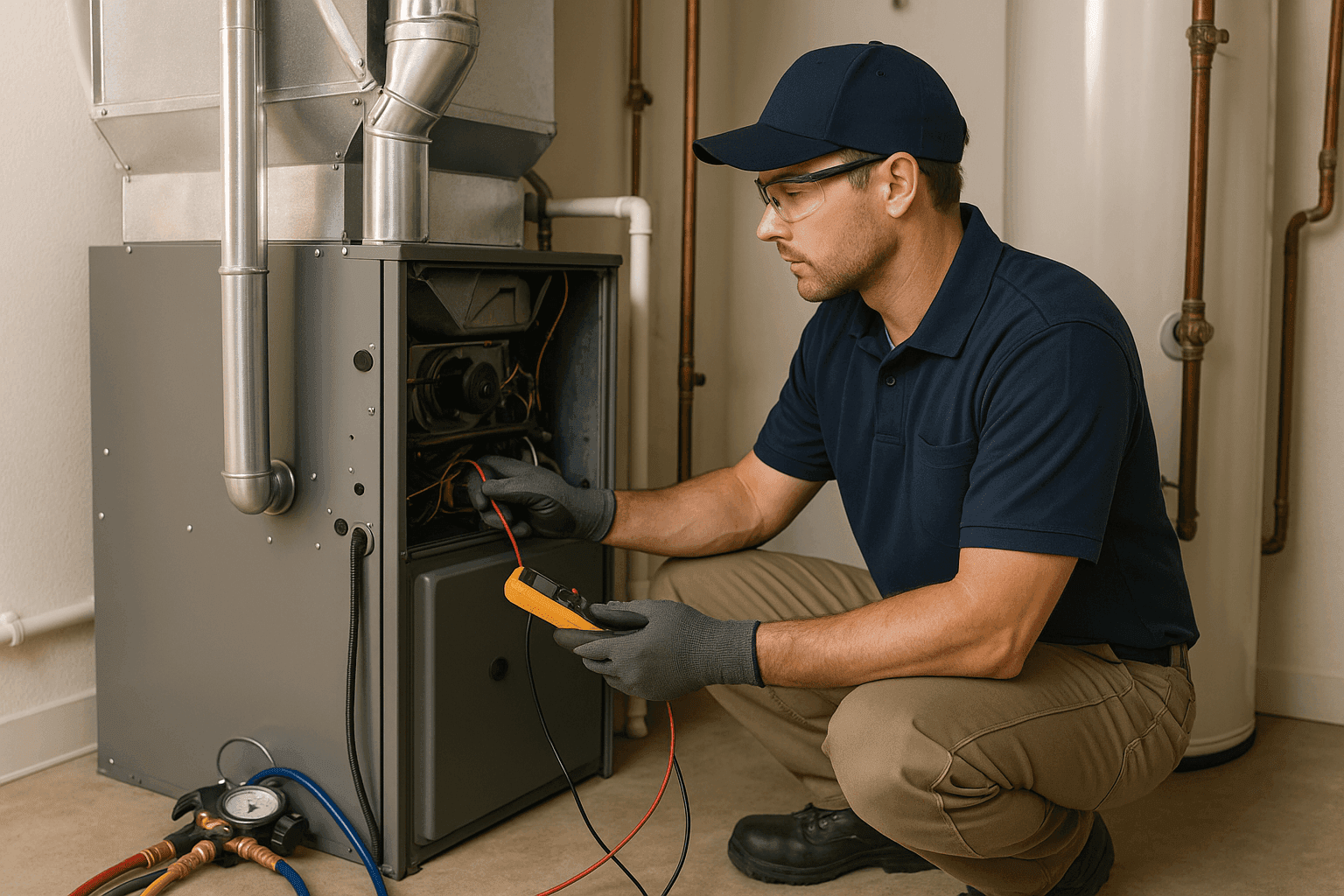
A professional technician brings more than a toolbox. They bring years of experience and a sharp eye for hidden problems.
Here’s what to expect:
- Full System Inspection: Checking electrical connections, refrigerant levels, gas lines, and safety switches.
- Performance Testing: Measuring airflow, temperature differentials, and thermostat operation.
- Leak Detection: Looking for refrigerant leaks, water drips, or carbon monoxide.
- Ductwork Assessment: Ensuring no blockages, leaks, or mold.
- Clear Communication: Explaining findings, repair options, and replacement recommendations.
Technicians follow safety guidelines set by organizations like ASHRAE and the National Fire Protection Association (NFPA). Their goal: keep your system safe, efficient, and reliable.
Maintenance: The Secret to a Long HVAC Life 🛠️
Routine maintenance is the difference between a marathon runner and a sprinter. A well-maintained system lasts longer, runs smoother, and saves you money in the long run.
Key Maintenance Practices:
- Annual Tune-Ups: Schedule professional inspections for both heating and cooling systems.
- Filter Changes: Replace filters every 1–3 months, more often if you have pets or allergies.
- Duct Cleaning: Every 3–5 years, or sooner if you notice dust buildup or air quality drops.
- Thermostat Calibration: Ensure accurate temperature readings.
- Check Humidifiers/Dehumidifiers: Clean and inspect annually.
Preventive care can add years to your system’s life—and help you avoid emergency hvac calls on the hottest or coldest days.
Cost & Timing: Repair or Replace?
It’s the age-old question. Is it worth fixing, or is it time for something new?
Factors to Consider:
- Age of Equipment: If it’s near or past its expected lifespan, replacement may be smarter.
- Repair Frequency: More than two major repairs in a year? Replacement often makes more sense.
- Energy Efficiency: New systems can cut energy use by 20–40% compared to older models (U.S. Department of Energy).
- Comfort Needs: Older systems may struggle to keep up with modern insulation or home additions.
- Budget: Repairs are less expensive upfront, but costs add up over time.
Timing Tip: Don’t wait for a total breakdown. Plan upgrades during mild seasons to avoid rush fees and discomfort.
When It’s an Emergency 🚨
Sometimes, waiting isn’t an option. If your system fails during extreme heat or cold, or if you detect gas, smoke, or electrical issues, it’s time for emergency hvac service.
Emergency Situations:
- No heat during freezing temperatures.
- AC failure during heatwaves.
- Gas leaks or carbon monoxide alarms.
- Electrical sparks, burning smells, or smoke.
- Water leaks causing property damage.
S.N. Heating And Air offers 24/7 emergency service because comfort—and safety—can’t wait.
Frequently Asked Questions
How often should I replace my air filter?
Every 1–3 months, depending on usage, pets, and allergies. Clogged filters strain your system and reduce efficiency.
Can regular maintenance really extend my system’s life?
Yes. According to the Air Conditioning Contractors of America (ACCA), annual maintenance can add several years to your HVAC’s lifespan and prevent costly breakdowns.
What’s the best season to replace my HVAC system?
Spring and fall are ideal. Demand is lower, scheduling is easier, and you’re less likely to experience discomfort during installation.
Is it normal for my system to run more often as it gets older?
Older systems often cycle more frequently as efficiency drops. If you notice constant running or short cycling, it may be time for a professional assessment.
Special Considerations for Your HVAC System
Every home and small business is unique. Factors like building size, insulation, climate, and even occupancy patterns affect how hard your HVAC system works.
Don’t forget:
- Generator Backup: Consider generator installation for uninterrupted comfort during outages.
- Indoor Air Quality: Upgrades like air scrubbers, humidifiers, and dehumidifiers can make a big difference.
- Ductwork Matters: Leaky or dirty ducts can halve system efficiency.
- Smart Thermostats: Modern controls help optimize comfort and energy use.
If your system is approaching retirement age, or if you’re facing repeated repairs, a professional evaluation can help you plan ahead—before you’re caught off guard by a sudden breakdown.
Call S.N. Heating And Air now — or reach us anytime at 844-484-2445 .