How to Prepare Your HVAC System for Storm Season Emergencies
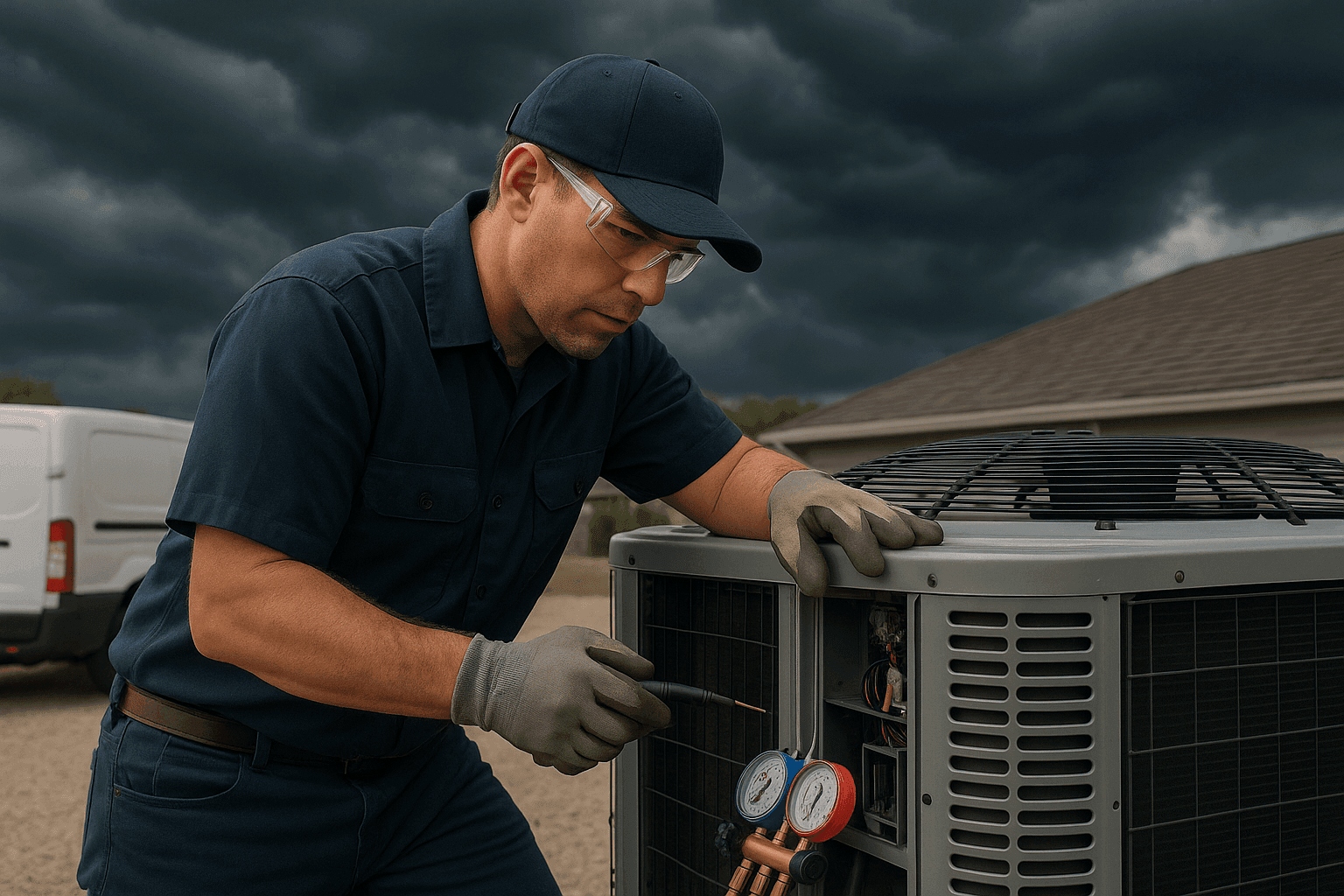
When storm clouds gather, your comfort and safety matter most. The last thing you want is for your AC or furnace to fail just as you need it most. At S.N. Heating And Air, we know how unpredictable weather can leave homeowners and small business owners scrambling.
Storm season puts your HVAC system to the test. Power outages, water surges, and flying debris can all spell trouble. But with a little preparation, you can keep your system running and your space protected.
Storm Season Threats to Your HVAC System
Storms don’t just rattle windows—they can shake up your entire HVAC setup. Here’s what’s at stake:
- Power Outages: Sudden blackouts can leave your system stranded mid-cycle, risking electrical damage or data loss in smart thermostats.
- Water Damage: Heavy rain and flooding threaten outdoor units and ductwork, leading to corrosion, short circuits, or mold growth.
- System Strain: Rapid temperature swings and humidity spikes force your AC or furnace to work overtime, which can accelerate wear or cause breakdowns.
- Debris Impact: Wind can hurl branches or debris into outdoor condensers, bending fins or clogging airflow.
- Voltage Surges: Lightning and power restoration can send dangerous jolts through your system’s sensitive electronics.
Think of your HVAC like a ship’s engine room—it needs to be seaworthy before the storm hits.
Quick HVAC Storm Preparation Checklist ✅
Before the weather turns wild, run through this storm-ready checklist:
- Schedule a pre-storm inspection: Have a professional check refrigerant levels, electrical connections, and safety switches.
- Clear outdoor units: Remove leaves, branches, and any loose items nearby to prevent impact damage.
- Secure the condenser: Use manufacturer-approved straps or covers (never plastic tarps) to shield your AC from debris.
- Check generator readiness: Test your backup generator, ensure it’s fueled, and confirm it’s wired to code (see National Electrical Code guidelines).
- Seal ducts and vents: Inspect exposed ductwork for gaps or leaks and seal with mastic or foil tape.
- Change filters: Dirty filters restrict airflow, making your system work harder when it shouldn’t have to.
- Set thermostat for efficiency: Program settings to maintain moderate indoor temps, reducing strain during outages.
- Elevate critical equipment: If you’re in a flood-prone area, raise outdoor units above potential waterlines.
- Test surge protection: Make sure surge protectors or whole-home devices are functional.
- Know your emergency contacts: Keep your emergency hvac service number handy.
A little prep now saves a lot of stress later.
DIY or Call a Pro? Knowing When to Get Help
Some storm prep jobs are simple—others need a practiced hand. Here’s how to tell:
- DIY-Friendly: Changing filters, clearing debris, adjusting thermostat settings, and checking for visible duct leaks.
- Call a Pro: Electrical inspections, refrigerant checks, generator installation, duct sealing inside walls or ceilings, and any repairs involving gas or wiring.
If you’re ever unsure, remember: safety first. The risk of electric shock, gas leaks, or voided warranties isn’t worth it. When in doubt, let a certified technician take the wheel.
What HVAC Pros Do On Arrival
When you call in S.N. Heating And Air, here’s what you can expect:
- Thorough inspection: We check all system components for wear, corrosion, or loose connections.
- Electrical testing: Using industry-standard meters, we test voltage, amperage, and grounding per manufacturer specs.
- Drainage review: We clear condensate lines and make sure drainage paths are unobstructed.
- Generator integration: Confirm safe, code-compliant generator connections with transfer switches.
- Duct and vent sealing: Professionals use mastic, foil tape, or sheet metal for lasting results.
- Safety checks: We inspect for carbon monoxide leaks, gas line integrity, and proper exhaust venting (see ASHRAE and NFPA recommendations).
- Performance test: After maintenance, we run your system through cycles to ensure reliable operation.
It’s like a pit crew prepping a race car—every detail matters.
Prevention & Maintenance: Your Best Defense
Storm prep isn’t a one-time event. Regular maintenance keeps your HVAC system ready for anything.
- Schedule seasonal tune-ups: Twice-yearly visits (before summer and winter) help spot issues before they escalate.
- Clean and inspect ducts: Duct cleaning and IAQ testing reduce mold risk and improve air quality during wet weather.
- Upgrade surge protection: Consider whole-house surge protectors for sensitive HVAC electronics.
- Install smart thermostats: Modern controls let you adjust temps remotely if storms hit while you’re away.
- Test backup power: Run your generator monthly and service it per the manufacturer’s schedule.
- Maintain clear drainage: Clean gutters and downspouts to keep water away from HVAC equipment.
- Monitor humidity: Use dehumidifiers or humidifiers to balance indoor air, reducing strain on AC and heating systems.
Think of maintenance as insurance for your comfort.
Costs & Time Factors: What to Expect
Every system is different, but here’s what usually goes into storm prep:
- Time: DIY tasks (filter changes, debris clearing) take under an hour. Professional inspections and maintenance typically range from one to three hours, depending on system complexity.
- Costs: Routine maintenance visits are a fraction of the price of emergency repairs or equipment replacement. Generator installation, duct sealing, and advanced surge protection require more investment upfront but pay off in reliability and peace of mind.
- Downtime: Most preventive work can be done with minimal interruption. Emergency repairs during storms may take longer due to safety concerns or power restoration delays.
Investing a little time now can save you from big headaches later.
When It’s an Emergency: Signs to Watch For ⚠️
Not every storm-related issue can wait. Call for emergency hvac service if you notice:
- Unusual noises: Grinding, banging, or buzzing from your AC or furnace.
- No airflow: Blower fans or vents stop working suddenly.
- Burning smells: Especially electrical or “hot” odors—these can signal fire risk.
- Water pooling: Around indoor or outdoor units, indicating blocked drains or leaks.
- Frequent system cycling: Rapid on-off cycling may mean electrical or control problems.
- No power: If your system won’t start after a storm, even with power restored.
When in doubt, don’t risk it—call for help.
FAQ: Storm Season & HVAC
How often should I schedule HVAC maintenance during storm season?
It’s smart to have your system checked before the start of storm season and again afterward. This helps catch any hidden damage.
Is it safe to cover my outdoor AC unit before a storm?
Use only manufacturer-approved covers. Never use plastic tarps or wrap units tightly, as this can trap moisture and cause rust.
Will my generator power my whole HVAC system?
That depends on your generator’s size and your system’s electrical load. A professional can help you determine what’s needed for safe, reliable backup.
What’s the best way to protect my thermostat from power surges?
Install a surge protector rated for sensitive electronics and consider a battery backup if available.
Special Considerations for Storm Season HVAC Service
- Flood-prone areas: Elevate outdoor units and seal low-lying ductwork.
- Older systems: These may lack modern surge protection or drainage features—consider upgrades.
- Commercial spaces: Schedule after-hours maintenance to avoid business disruption.
- Indoor air quality: After storms, check for mold or mildew in ducts and filters.
Every building is different. What matters is a plan tailored to your needs.
Call S.N. Heating And Air now — or reach us anytime at 844-484-2445 .