How to Extend the Lifespan of Your HVAC System: Essential Maintenance Tips
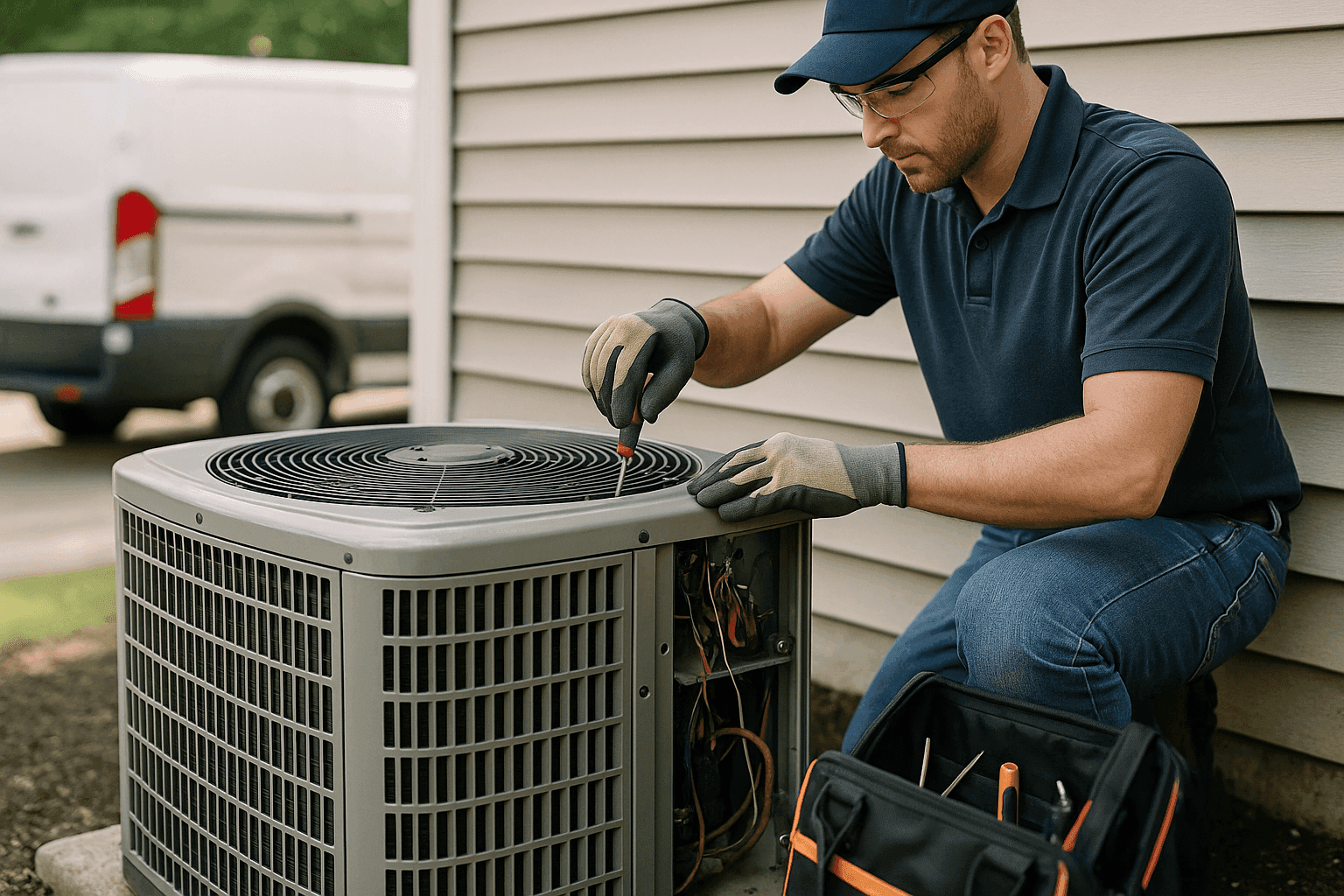
Imagine this: It’s the hottest day of the year, and your air conditioner gives up. Or maybe it’s a frigid winter night, and your heater won’t start. When your HVAC system fails, comfort disappears fast.
At S.N. Heating And Air, we know how much you rely on dependable heating and cooling. The good news? With regular maintenance, you can help your HVAC system last longer, work better, and avoid those stressful emergency hvac calls.
Understanding Your HVAC System's Lifespan 🕰️
Most HVAC systems—whether it’s a furnace, air conditioner, or heat pump—are built to last. On average, you can expect:
- Furnaces: 15–20 years
- Central air conditioners: 12–17 years
- Heat pumps: 10–15 years
- Ductless mini-splits: 10–16 years
But these numbers aren’t set in stone. Like a car, your HVAC’s lifespan depends on how well you care for it. Regular maintenance, quick repairs, and clean filters make a world of difference. Neglect, on the other hand, is like skipping oil changes—small problems turn into big ones fast.
Factors that affect how long your system lasts include:
- Frequency of use (more use = more wear)
- Quality of installation
- Regularity of maintenance
- Filter changes and air flow
- Environmental conditions (dust, humidity, salt air)
A well-maintained system can outlast its average, while a neglected one might call it quits early.
Essential Maintenance Tasks
Keeping your HVAC system in top shape doesn’t have to be complicated. Here are the most important steps you can take at home:
1. Replace or Clean Filters Regularly
Think of your filter as your system’s lungs. When it’s clogged, your HVAC has to work harder, using more energy and wearing out faster. Replace or clean filters every 1–3 months, or more often if you have pets or allergies.
2. Schedule Duct Cleaning
Dust, debris, and even mold can build up in your ductwork. This not only affects air quality but also makes your system less efficient. Professional duct cleaning every few years keeps air flowing freely.
3. Calibrate Your Thermostat
A thermostat that’s out of whack can cause your system to cycle on and off too often. Check your thermostat settings seasonally. Consider upgrading to a programmable or smart thermostat for better control.
4. Seasonal Tune-Ups
Before the first heat wave or cold snap, schedule a professional tune-up. This includes checking refrigerant levels, tightening electrical connections, lubricating moving parts, and inspecting safety controls. The U.S. Department of Energy recommends annual maintenance for both heating and cooling systems.
5. Keep Outdoor Units Clear
Clear away leaves, grass, and debris from around your outdoor AC or heat pump. Trim plants back at least two feet to allow for proper airflow.
6. Check and Seal Ducts
Leaky ducts can waste up to 30% of the air your system moves. Inspect visible ductwork for gaps or loose connections. Use mastic sealant or metal tape—not duct tape—to seal leaks.
7. Change Batteries in Thermostats and Detectors
Don’t forget to swap out batteries in your thermostat and carbon monoxide detectors at least once a year.
Warning Signs of Wear and When to Call a Professional
Catching problems early can save you from costly breakdowns. Watch for these signs:
- Strange noises (banging, squealing, rattling)
- Unusual odors (musty, burning, or chemical smells)
- Weak airflow or hot/cold spots
- System cycling on and off frequently
- Higher energy bills without explanation
- Water leaks or ice on the unit
If you notice any of these red flags, it’s time to call S.N. Heating And Air. Sometimes a small fix now prevents a big emergency later.
Benefits of Regular Professional Maintenance
Why invest in regular check-ups? Here’s what you gain:
- Better Efficiency: Clean, tuned systems use less energy, saving you money.
- Fewer Breakdowns: Routine care catches issues before they become emergencies.
- Longer Lifespan: Well-maintained systems can last years longer.
- Improved Air Quality: Clean filters and ducts mean healthier air for your family or employees.
- Safety: Technicians spot hazards like gas leaks, faulty wiring, or carbon monoxide risks.
According to the Air Conditioning Contractors of America (ACCA), regular maintenance can reduce the risk of costly breakdowns by up to 95%.
Preparing Your HVAC for Seasonal Changes
Just like you prepare your car for winter or summer, your HVAC needs seasonal attention.
Summer Readiness
- Replace or clean filters before the cooling season starts.
- Clear debris from outdoor units.
- Test your AC early—don’t wait for the first heatwave.
- Check insulation on refrigerant lines.
Winter Readiness
- Schedule a furnace inspection.
- Change filters before heating season.
- Make sure vents and registers are open and unblocked.
- Test your carbon monoxide detector.
A little prep goes a long way toward a comfortable season.
When to Call for Emergency HVAC Service 🚨
Sometimes, things go wrong at the worst possible time. If you experience:
- No heating or cooling during extreme weather
- Electrical burning smells or smoke
- Gas odors (leave the building immediately and call emergency services)
- Water leaks that could cause damage
Don’t wait. S.N. Heating And Air offers 24-hour emergency hvac service—because comfort and safety can’t always wait for business hours.
FAQ: Common HVAC Maintenance Questions
How often should I change my HVAC filter?
Most filters need changing every 1–3 months. Check monthly and replace when dirty.
Is duct cleaning really necessary?
Yes, especially if you notice dust, allergies, or musty smells. The National Air Duct Cleaners Association recommends cleaning every 3–5 years, or sooner if you have pets or recent renovations.
What’s included in a professional HVAC tune-up?
A technician will inspect, clean, and test critical components, check refrigerant, tighten connections, and ensure safe operation.
Can I do maintenance myself?
You can handle filter changes and keeping outdoor units clear. For electrical, refrigerant, or gas issues, always call a licensed professional.
Special Considerations for Homeowners and Small Business Owners
Every space is different. If you have pets, allergies, or run equipment that creates dust or heat, your system may need more frequent attention. Small businesses with kitchens or manufacturing may need specialized services like hood & exhaust installation or air balancing.
Don’t forget about indoor air quality—humidifiers, dehumidifiers, and air scrubbers can all play a role in keeping your environment comfortable and healthy.
The Bottom Line
A little maintenance goes a long way. By taking care of your HVAC system, you’ll save money, breathe easier, and avoid those stressful emergency hvac moments. And when something unexpected pops up—day or night—S.N. Heating And Air is just a call away.
Call S.N. Heating And Air now — or reach us anytime at 844-484-2445 .